



Something stopped working
Dead outlets, a partial outage, flickering lights, a breaker that keeps tripping
Repair and troubleshooting




Rated 5.0 on Google · 679 reviews
Start with what you see or what you plan to add. We confirm the final scope after inspecting the circuit, wiring, panel, and equipment involved.
Dead outlets, a partial outage, flickering lights, a breaker that keeps tripping
Repair and troubleshootingA warm or discolored outlet, a burning odor, sparks
Warning signsAdding an EV charger, generator, heat pump, or another large load
Panel and load planningNew lighting, outlets, switches, ceiling fans, surge protection, detectors, or wiring
Our electrical servicesFor fire or smoke, leave the home and call 911.
Similar symptoms can come from different causes. Note what happened, where it happened, and what changed before it started. That helps us find the cause faster.
Note which breaker trips, what was running, and whether it happens again.
Record whether it affects one fixture, one room, or several areas of the home.
Note which outlets, switches, or rooms are affected.
Stop using the affected outlet or appliance and request an inspection. If you see smoke or fire, or believe there is immediate danger, leave the home and call 911. Do not touch affected equipment.
Here is how a typical electrical project with Product Air Heating, Cooling, and Electric works.
Share the problem or the equipment you plan to add, your location, and any photos that help.
We review the affected equipment, wiring, panel, and relevant load.
We separate recommended, required, and optional work.
We identify the permits, inspections, and utility steps your project needs.
We carry out the agreed repair, installation, wiring, or panel scope.
We test the work and complete the required inspection steps.

Choose this when an existing circuit, outlet, switch, light, detector, panel component, or connected device is not working as expected.
Choose this when you are adding equipment, changing wiring, improving protection, or planning work that adds load to your electrical system.
If the panel is damaged, full, or cannot support the new load, panel replacement or upgrade is one of the options we price in writing.
Seattle City Light explains that a load study reviews the nameplate capacity of your existing equipment, the equipment you want to add, and other details of your property. If capacity is not enough, the electrical service may need an upgrade. Seattle City Light: capacity, load and electrical service
Seattle requires an electrical permit any time wiring is installed, altered, extended, or connected to electrical equipment. Most low-voltage systems in single-family homes are exempt, except security alarm systems.
Most permits require three inspections: cover, service, and final. A project with a feeder to a subpanel also needs feeder inspections. In Seattle, the contractor schedules each inspection, and a professional applying for a permit needs a Washington State electrical contractor’s license and a Seattle business license.
Your written estimate states who applies for the permit, who schedules inspections, and who pays the related fees.
If your project needs a new or upgraded electrical service, the application goes through Seattle City Light. City Light handles upgrades on the grid side. The service installation on your property, including its permits and inspections, is the customer’s responsibility, and City Light requires payment before it completes the connection.
The price depends on the confirmed scope, existing conditions, access, materials, equipment, and permit fees.
Eli (HVAC) and Aaron (Electrician) were clear with everything that needed to happen, and were quick with the work. Every HVAC and Electrical job...
 Jesse Rose
Electrician Aaron was fantastic! I had an electrical issue at my place that had me stumped, and Aaron came over quickly to diagnose it...
 Shreekant Kokane
Aaron was amazing. He came out quickly and identified the problem fast and got my heat back on. Great customer service would 100%...
 Geo Morris
I had a junction box that needed to be moved for an appliance install. Kevon from the electrical team arrived right on time and did a quick, professional install.
J R.
I had a great experience working with Product Air Heating, Cooling and Electric. Previously, I had Window AC units that weren’t keeping up with...
 Darik Kovalevich
I had a great experience from start to finish. Vincent helped me so much by finding the issue and giving me many options on how to resolve my issue...
 Martin Ferguson
REAL PROJECTS. DIFFERENT HOMES. DIFFERENT SOLUTIONS.
SEATTLE, WA
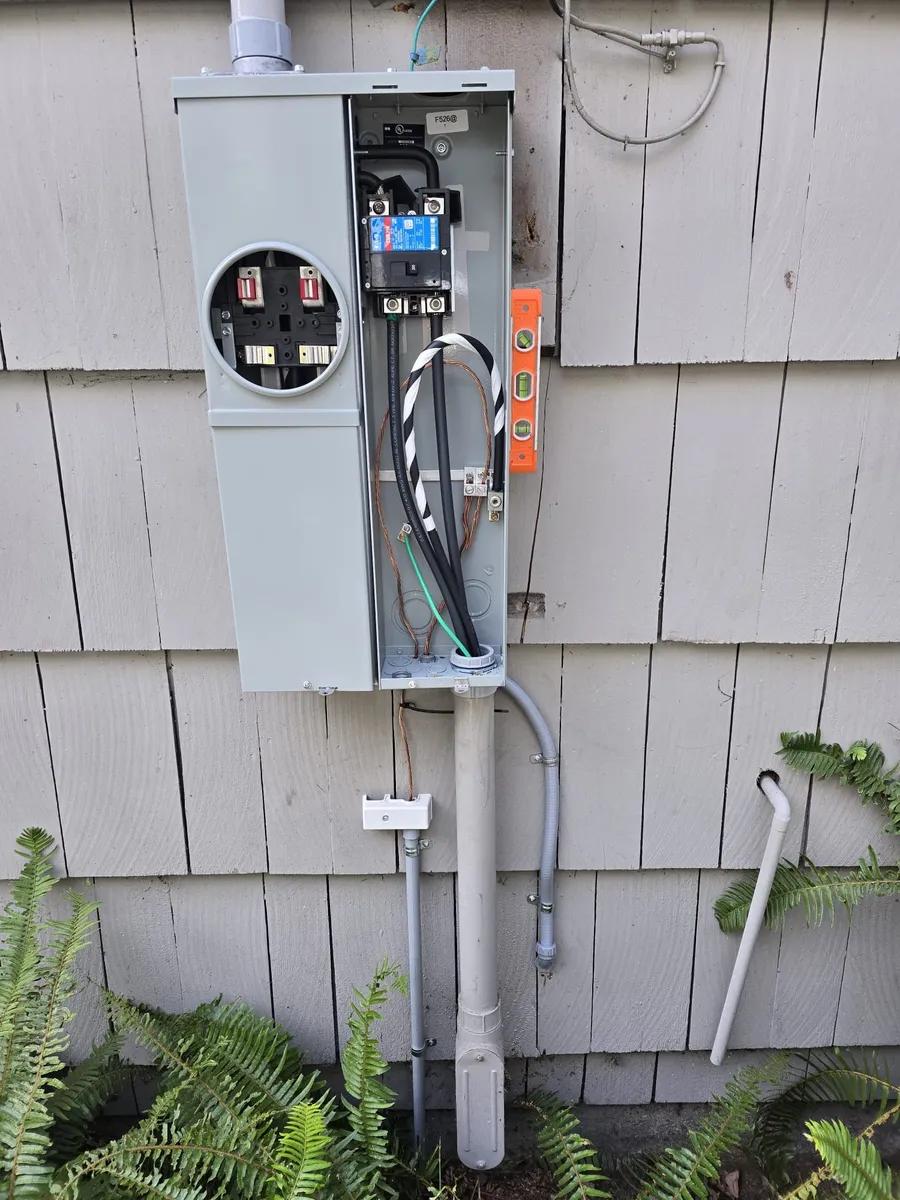
The damaged electrical mast was repaired and reset, feeder wires were reconnected, and electrical service was restored to the home.
Project type: Emergency electrical repair
View the Seattle project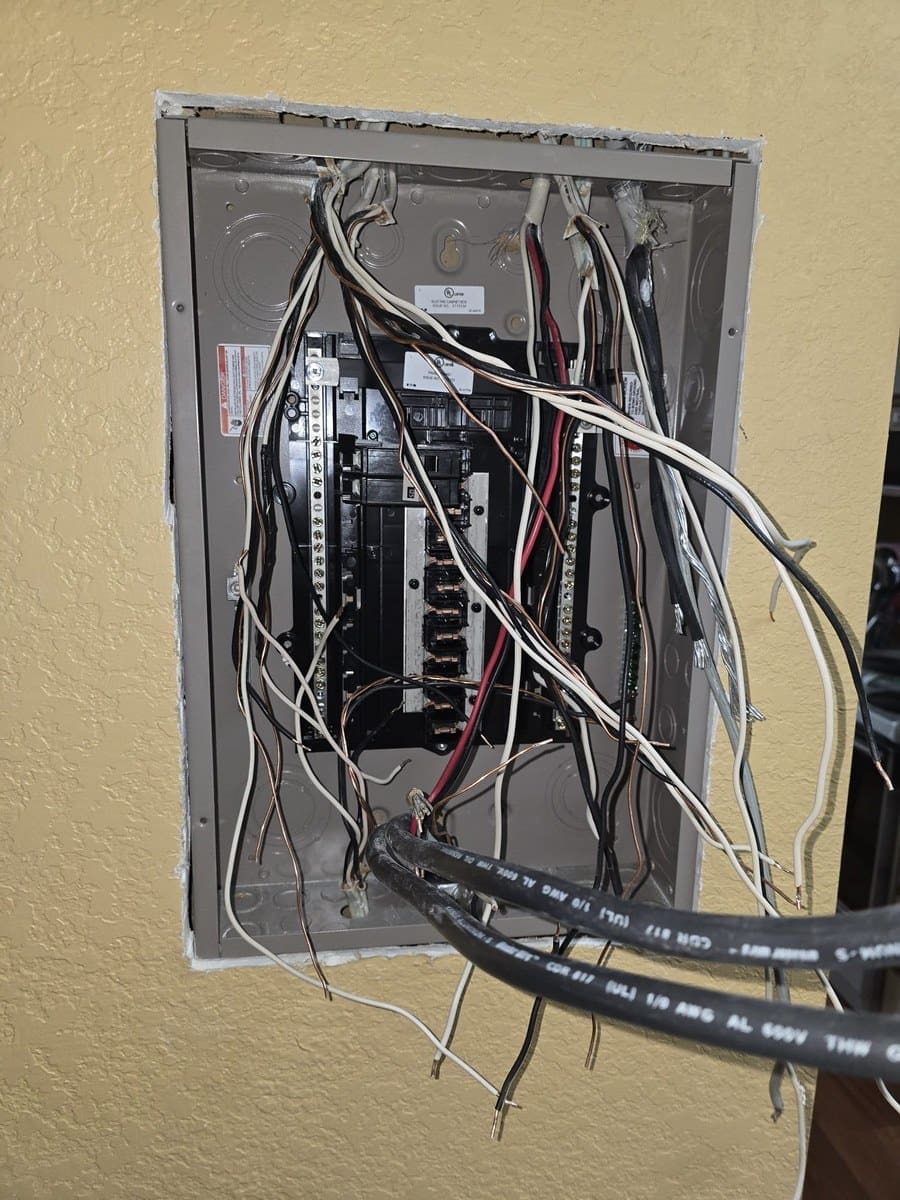
SEATTLE, WA
An older Murray panel was replaced with an Eaton panel and whole-home surge protection. This project was a panel replacement, not an upgrade to 200 amps.
Project type: Panel replacement and surge protection
View the Seattle projectSEATTLE, WA
Two failed GFCI outlets were replaced with new Leviton receptacles, restoring the kitchen circuit.
Project type: GFCI outlet repair
View the Seattle projectUsually yes. Seattle requires an electrical permit any time wiring is installed, altered, extended, or connected to electrical equipment. Most low-voltage systems in single-family homes are exempt, except security alarm systems. We confirm the permit scope in your estimate.
In Seattle, a licensed contractor applies for the permit and schedules each inspection. Most permits require three inspections: cover, service, and final. Your written estimate states who applies for the permit, who schedules inspections, and who pays the fees.
Not always. We review your existing load, available capacity, the charger’s requirements, the wiring, and the condition of the panel. Then we recommend a new circuit, load management, panel work, or a service upgrade, whichever your home needs.
Repeated breaker trips, flickering lights, dead outlets, warm or discolored outlets, burning odors, damaged wiring, and not enough capacity for new equipment. If you see smoke or fire, leave the home and call 911.
Electrical repair and troubleshooting, panel upgrades and replacements, wiring and rewiring, outlets and switches, indoor and outdoor lighting, ceiling fans, EV chargers, surge protection, smoke and carbon monoxide detectors, home electrical inspections, and backup generator installation and repair.
The price depends on the scope, existing conditions, access, materials, equipment, and permit fees. We explain the scope and price before the work starts.
Do not touch the affected equipment or try to repair it yourself. If you see fire or smoke, or believe there is immediate danger, leave the home and call 911.
It depends on the problem, the scope, material availability, permits, inspections, and utility coordination. We give you a project-specific schedule after the inspection.